
Pillar 03
Social Impact Filmmaking, Journalism and Public Discourse
The same unit that tests kit and trains crew also makes films. This is where the material goes when it is a film in its own right: independent British film about social issues, developed through the Story to Screen, then crewed, shot and finished by people earning a credit.
The films
What this pillar has made.
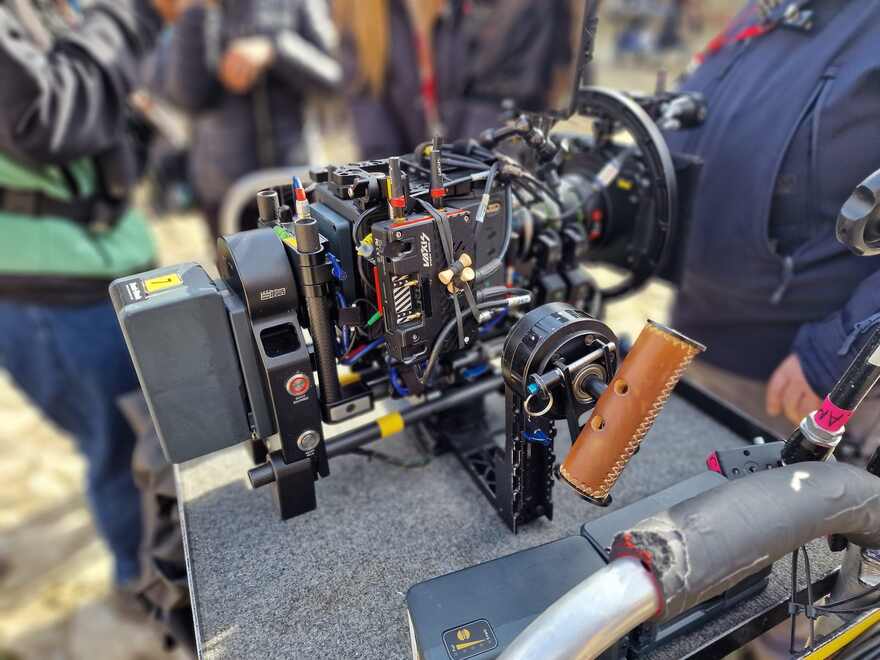
Ramadan 2024
Running Riot
Shot at the Abdullah Quilliam Mosque, Liverpool, during Ramadan, with trainee crew from Screen Sisters CIC. The Faith Inclusion Production Standard’s pilot.
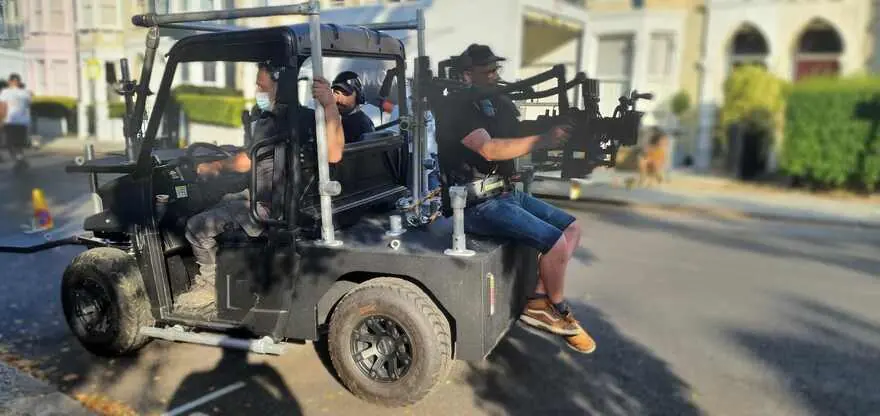
2025
Read All About It
A London drama, shot over three days on RED and Panavision with trainees holding grades, finished across four post days.
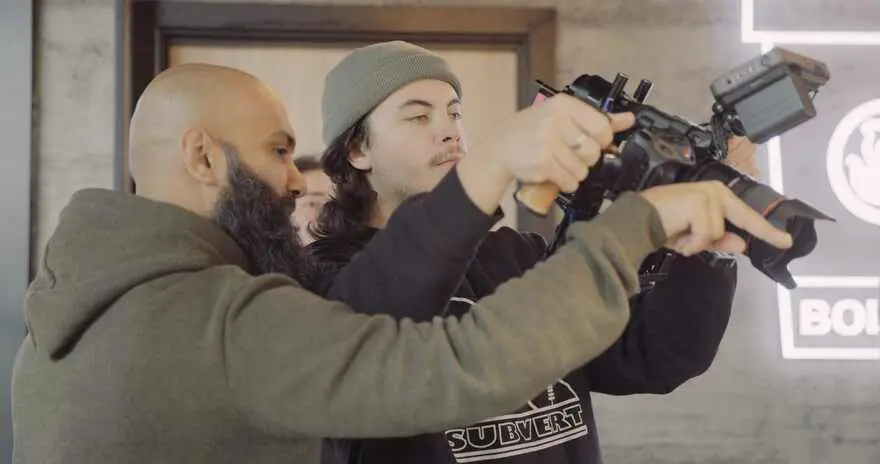
2024
After Hardship Comes Ease
Two Manchester locations, two days, working camera, sound and AD crew alongside trainees in department positions.
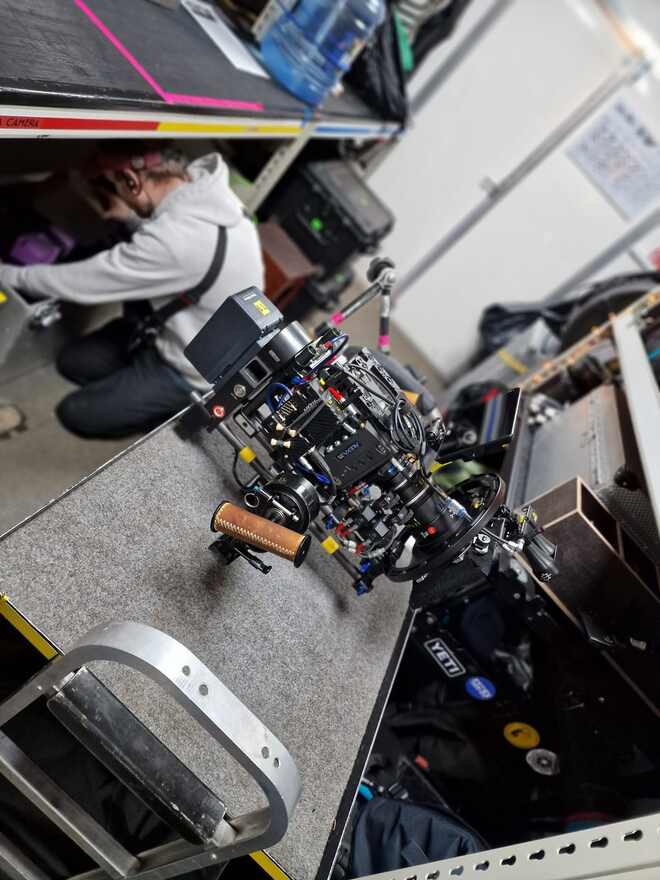
Heritage
Error in Terror and Uniting Communities
The interfaith strand that preceded the CIC: short films on factual events, screened with facilitated dialogue. Part of the long-term development context.
Why it is done this way
Credits
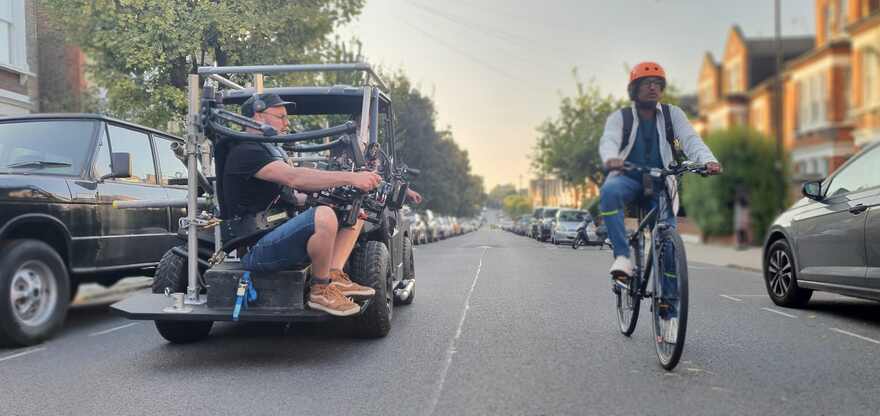
Crewed properly, and credited.
Most working crew got their first credit in the independent sector. People coming through these films hold a grade and leave with a credit a production coordinator will recognise.
Reach
Made with a community.
People from the place are employed, trained and credited. Consent, credit and how the material can be used are agreed in writing before anything is shot.
How a film gets made here
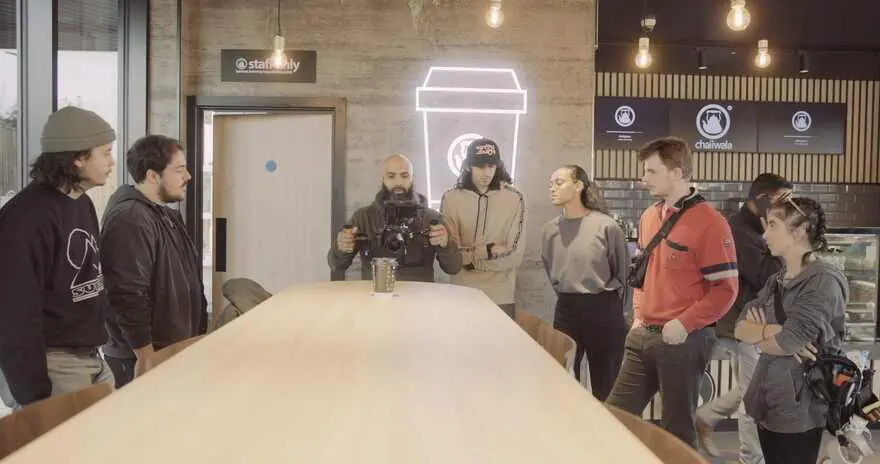
Routes in.
01
Through the Lab
Story to Screen takes work from an idea through a writers room to a commission. The front door for a filmmaker with a project.
02
Through a commission
An organisation commissions a film. Commissioned work is a trading service, and it pays for the rest.
03
Through crew
Crewing is how most people join a film here.
Next pillar