
8 of 10
Kodak’s film lab is on the ground floor of our building.
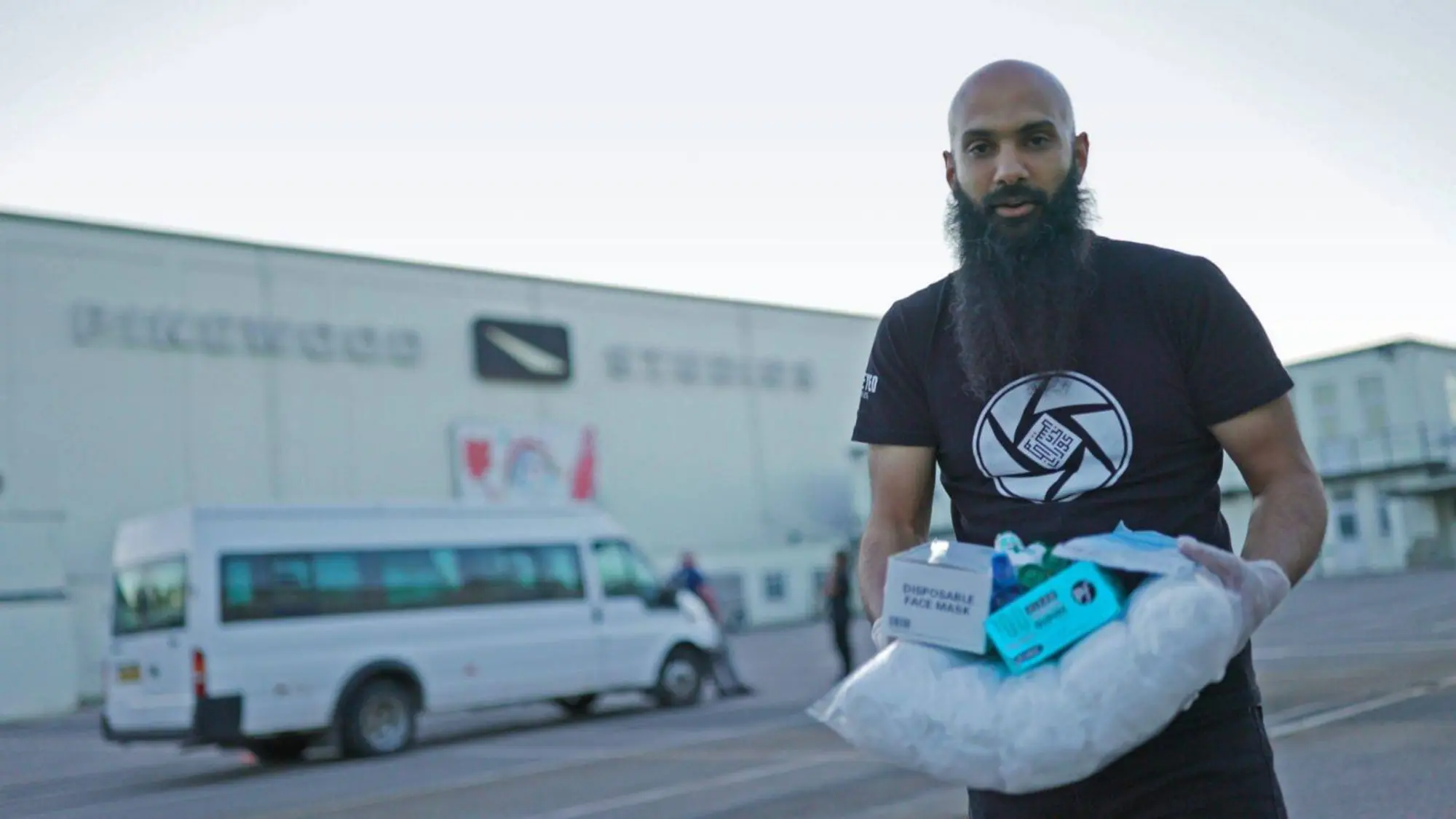
Futures in Film works out of the Ken Adam Building at Pinewood Studios. Kodak Film Lab London processes motion picture negative on the ground floor of the same building.
We teach shooting on film in a building where the negative goes downstairs. That is not a marketing line, it is the reason this initiative is credible.
What a lab does
Processing, and then the wait.
Processing
The exposed negative is developed. It is chemistry, it is one-way, and it is the moment the production finds out what it has. Kodak Film Lab London runs colour and black-and-white negative processing, day baths through the week, weekends by arrangement.
Dailies
What you look at the next day, once the negative exists and has been scanned. Not a preview — the actual thing, in a viewing condition you can trust, which the monitor on the floor never was.
The relationship
A lab is a supplier you talk to, not a service you post to. Tell them the stock, the look, the schedule and the intent in prep, and the notes that come back are worth more than any monitor on set.
Distance
Everywhere else, distance from the lab is a real constraint — Roger Deakins has described dailies taking two or three days on a shoot where the local labs had closed. Working at Pinewood, that particular problem is not ours.
The mental shift
You do not see it today. Plan for that, do not fight it.
Crews trained on digital are used to certainty on the floor. On film the certainty arrives tomorrow, and the answer is not to seek reassurance from the assist monitor. It is to trust the meter, trust the tests, check the gate, and move on.
The productions that struggle with film are the ones that try to run a digital feedback loop on a photochemical process.