
By department · Hair and Make-up
Nobody can show you the face on a screen.
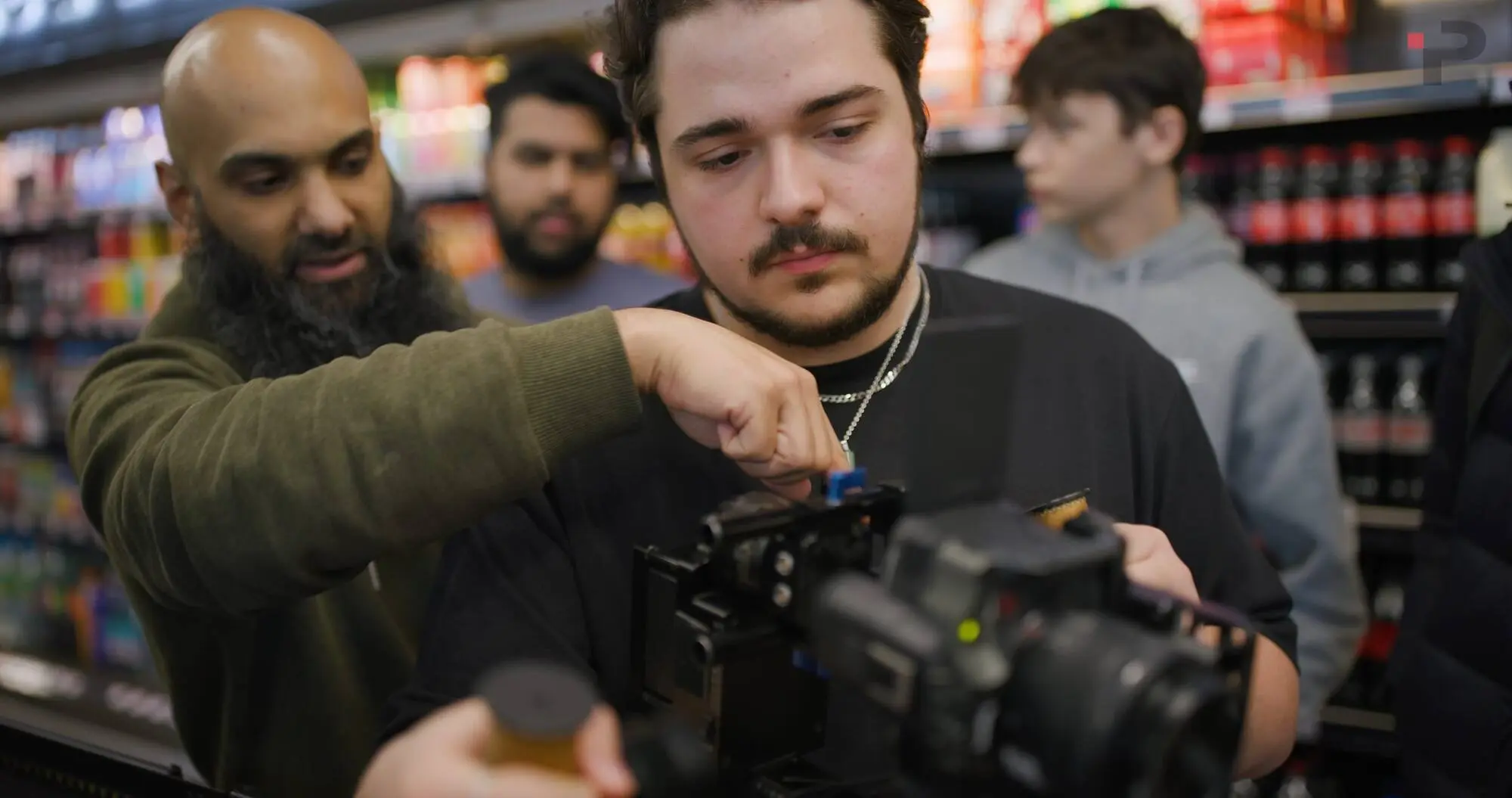
Skin is the thing film is best at and the thing you can least check on the day. The assist monitor will not tell you what the negative is doing to a base, a contour or a colour correction.
Which puts almost all of your control into the test and into your own method.
What to test
Four things, on the actual faces.
Base, on every skin tone in the cast
Not one representative face. Negative renders warmth and depth differently from a sensor, and a base matched on a monitor can sit wrong once it is through the chain. Test each principal, under the lighting the film will use.
Anything red
Blood, blushes, lip, inflammation, prosthetic edges. Reds are where film and digital diverge most visibly, and the difference is not small.
Shine and sweat
Hot sources plus longer setups plus no playback to check. Know how much your base is holding before the day rather than discovering it in the dailies.
Hair against the background
Dark hair on a dark set is a lighting conversation, and the test is where you and the DoP have it. It is much cheaper than having it on the floor.
On the day
Your continuity record is the record.
No stepping back through a take on a monitor. Shoot your references, write it down, and keep the reset disciplined.
Use the mag change. A reload is a scheduled, predictable window for touch-ups — far better than trying to jump in between takes on a unit where the camera is running.